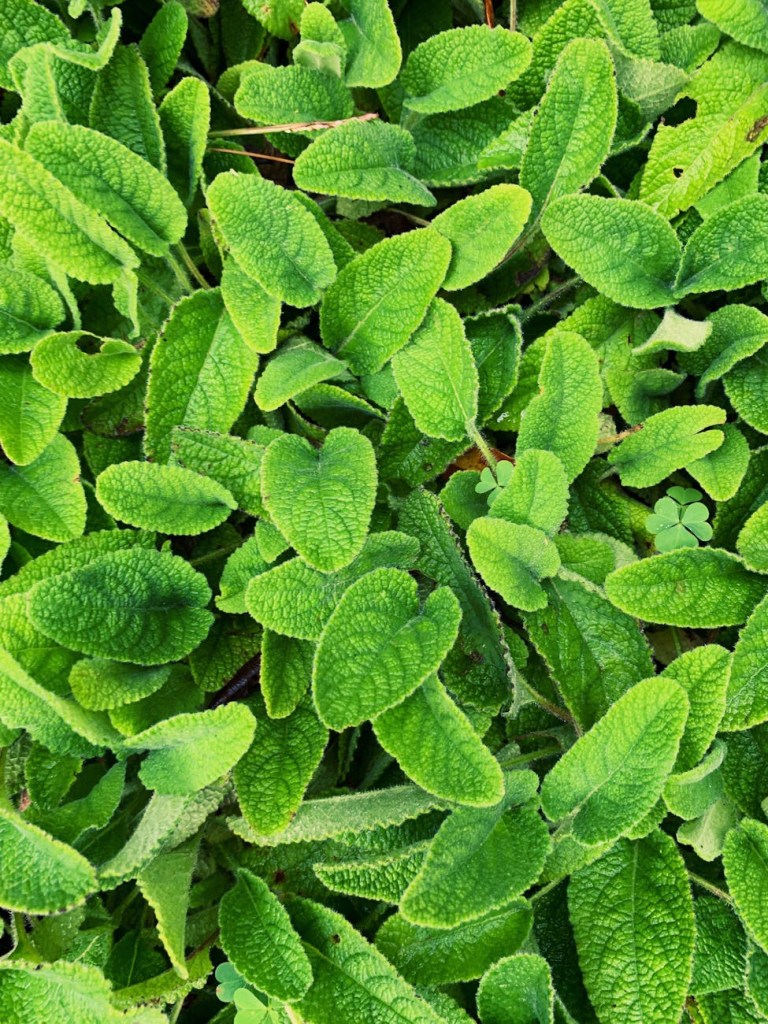
Lemon balm ( Melissa officinalis)
A delicious lemony mint family plant. It has an uplifting and relaxing effect on the mood and body. It can aid and improve memory and attention span. It is aromatic cooling and mildly astringent. It can be useful in colds, flu and digestive upset. It is antiviral, used topically on cold sores and shingles.
Part used:
Aerial part of the plant; the leaf is rich in essential oil.
Key constituents:
Citral, citronellal, tannins, bitters, polyphenols, vitamin C, calcium, magnesium, catechin, resins, flavonoids.
Safety factor: lemon balm is considered a thyroid inhibitor; those suffering from hypothyroidism or low thyroid activity should use it only under the guidance of a health practitioner.
Lemon balm is a quick growing perennial, hardy in zones 4-9 , and it can be grown as an annual in colder regions. It’s a self sower, so once you have a few plants established, it should thrive! This plant prefers a bit of shade but tolerates full sun and well drained soil.
This herb is wonderful at calming the nervous and digestive system, with antispasmodic actions. A tea made of chamomile and lemon balm is an excellent remedy for stomach distress and nervous exhaustion.
It is also a wonderful herb for heartache and depression. It may help with insomnia and promote better sleep. It also helps with seasonal affective disorder and depressive states. It also may help with indigestion, headaches, and muscle tension. In addition to its soothing and calming constituents lemon balm is rich in polyphenols, which have a strong antiviral action.
My personal favorite is the addition to a cup of tea. A tablespoon of dried lemon balm steeped with a drop of honey is a calming nightcap or mid day de-stressor.
Happy gardening,

 Backroads mom
Leave a reply to Awakening Wonders Cancel reply