
I have always looked forward to spring and all the plants and flowers being in bloom! Love drying them and using them for tea! I have always felt like when the growing season was over in the fall then the foraging for plants ended. However I just recently discovered that fall and winter foraging can be just as exciting and fun! Mother Nature really thought of everything! You can forage juniper berries, evergreen needles( think pine needle tea!) and even rose hips! Fall is also a great time of year to harvest your dandelion roots!
Today I’m going to focus on roses! We all love them! Many of us have them in our garden because they are so beautiful to look at and the rose scent is so heady! If you don’t have roses already growing in your garden look around you may find that you have a thicket of wild roses growing nearby! Remember to never harvest roses or hips on roadways or areas that may have had insecticide spray! You can also purchase rose petals and hips at Mountain rose herbs.
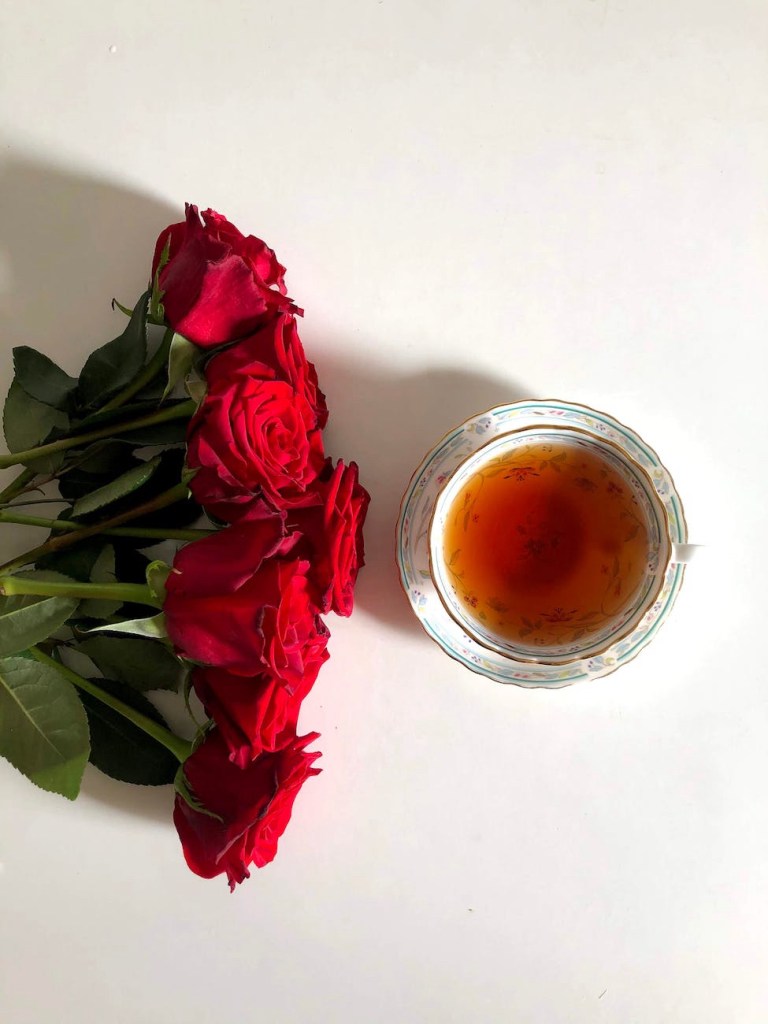

Roses are used for many things. Most of us use them for their simple beauty. A vase of roses, a bouquet, a wonderful rose garden!
Roses are also very versatile and medicinal. Plants like roses and the hawthorn are used medicinally and in teas. A fun fact of anything with thorns is that they have been used historically to help settle matters of the heart! Look it up Mother Nature is just so giving! Teas using rose petals or hips calm your nerves. It’s reported that they can help mend a broken heart when used in recommended doses. Usually 2-3 cups of rose or rose hip tea a day!
In the winter these same rose bushes grow rose hips! Those rose hips are powerful medicine internally, as well as topically!
You can use these hips to make all sorts of delicious things!
Best time to harvest
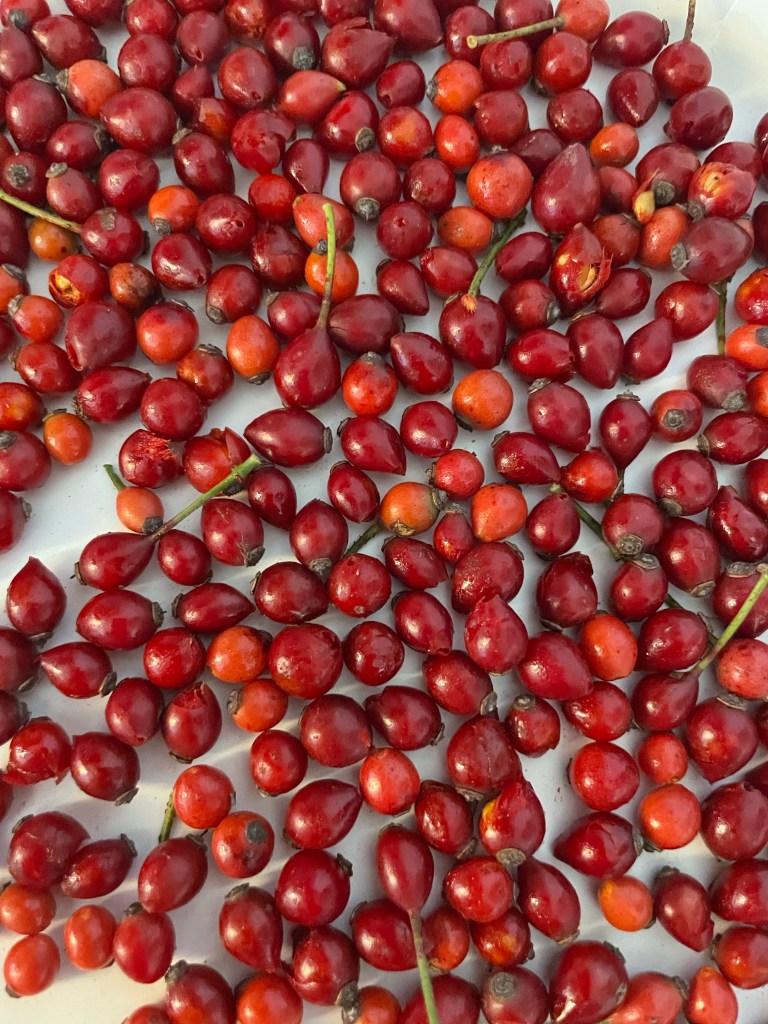
The best time to harvest rosehips is after the first frost but if you are having a particularly mild fall/winter, you can harvest the hips whenever they are ripe and simulate the frost instead. You can place them in a bowl or jar and put them in the freezer for 24 hours before drying or cooking!
I have read that Rose hips are best harvested when they are bright red and soft but not mushy. They should come off the branch easily and if they are slightly wrinkled that’s okay. You can also harvest them while they are still in the orange-ish stage but they will not be fully ripened and will be more tart.
But can you eat them?
While you could eat your rosehips raw, it’s not recommended. Rosehips contain tiny hairs surrounding each seed inside their tiny red fruit and these hairs can cause irritation to the mouth and throat. I have read that these same hairs were among some of the first recipes for itching!
Recipes that want you to use the pulp of the rosehip, such as fruit leather jams, soups and sauces, require you to cut each rosehip open and de-seed them before cooking.
Recipes that are strained after cooking, such as syrups and jellies can be left whole. Actually when making syrup and jelly, running the rosehips with some water in a food processor or bender helps to open up the fruit and allow more of the nutrients to come out while cooking.
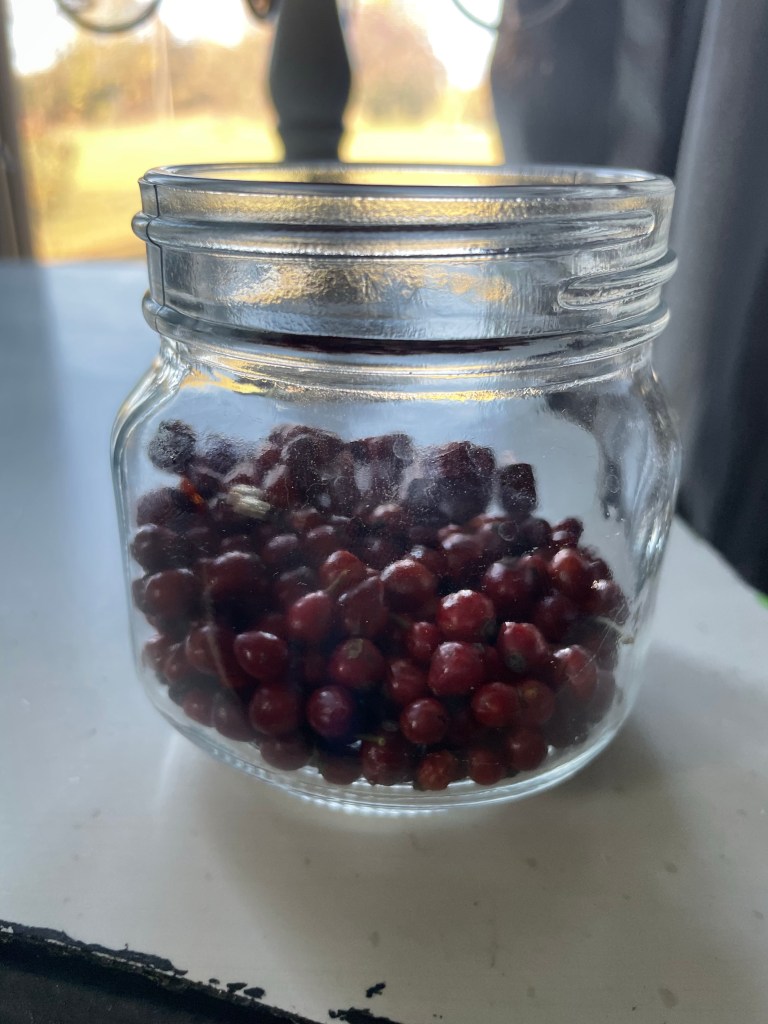
If you would like to use the hips for tea. Drying the hips are easy.
You can air dry, or use a dehydrator!
Once they are dry you can make some a cup of tea!
Tea using Rosehips
Measure out 1 teaspoon of dried rose hips for each cup of tea you’re going to make. Pour scalding water over the hips and leave to infuse for about five minutes. I like to cover the steeping tea with a saucer to trap the volatile oils. Rosehip tea is usually orange in color but can be red to reddish-brown. Enjoy your vitamin-packed brew with a little sweetener if you like.
Most of the time when people say Vitamin C, images of oranges and grapefruits come to mind. Would it surprise you to learn that rosehips can have up to 200x more Vitamin C than most citrus fruits?
On top of that, rosehips are good for your immune system, especially during cold and flu season. Some of the medical qualities of rosehips include helping with headaches, sciatica, gout, rheumatoid arthritis, stress and nervousness.
Cosmetically
These delightful fruits of the rose have cosmetic uses as well.
Dried rose hips can be infused to make a rosehip oil.
The infused oil is full of the beneficial properties of rose hips, and can be used to make a soothing rose hip salve or lip balm.
The oil can also be combined with other beneficial oils, such as calendula oil, to make other great homemade products.
Don’t forget to leave plenty for the wild life! There is plenty for everyone! What are you waiting for… Get out there and start foraging! Enjoy!


Leave a Reply