
I truly believe that everything in Mother Nature has a benefit and use. Everything and everyone has a purpose. Often times these magical healing properties are right beneath our feet literally. Unbeknownst to most, the dandelion is one of mother nature’s secrets. After you learn what our ancestors used them for you will also see the beauty in this rarely loved “weed”!
Whether you love them or hate them, dandelions are among the most familiar plants in the world. Before people worried about the appearance of their lawns people praised the golden blossoms, leaves and roots as a bounty of food, medicine and magic. Gardeners often weeded out the grass to make room for the golden prizes. Some time in the twentieth century, we started to look at these as weeds.
I’m going to give you some surprising facts about these childhood wands and maybe next time you see a dandelion in your yard you will be thankful that you were given such a gift.

Dandy-Lions
The common name of Dandelion, Taraxacum officials, translates to dent-de-lion in French, meaning “ the lions tooth”.
How’s that for fancy!
Dandelions are actually good for your lawn!
Dandelions are good for your lawn! Their wide-spreading roots loosen hard- packed soil, aerate the earth and help reduce erosion. The deep taproot pulls nutrients such as calcium from deep in the soil and makes them available to other plants. While most think they’re a lawn killer dandelions actually fertilize the grass!
Are Dandelions edible?
Dandelion greens are edible, raw or cooked, although some say bitter. Best to get them in the spring before the flowers bloom. The fresher and younger the blooms are the less bitter. Just add the flower petals to salads with your other greens, Or use the leaves to make tea. Dandelion greens can also be ground up and made into pestos. Of course you can also search the internet and find a bountiful supply of recipes for dandelion salves and lotions. Who knew these sunny flowers were also good for the skin! You can also make dandelion jelly as well as wine! Such a versatile little weed isn’t it?
The wildlife love and enjoy also feasting on dandelions. As do bees and other pollinators, because they love the nectar. However they aren’t the only ones…
These special gifts aren’t just for the birds and the bees, as I said the dandelion flowers are nourishing for humans as well as a great source of vitamins!
Dandelion leaves are one of the best natural sources of potassium. They are also high in vitamins A, C, and K as well as calcium, iron and magnesium.
Storing fresh Dandelions
Rinse and store fresh leaves in the fridge, just as you would other greens.
What about the seeds?
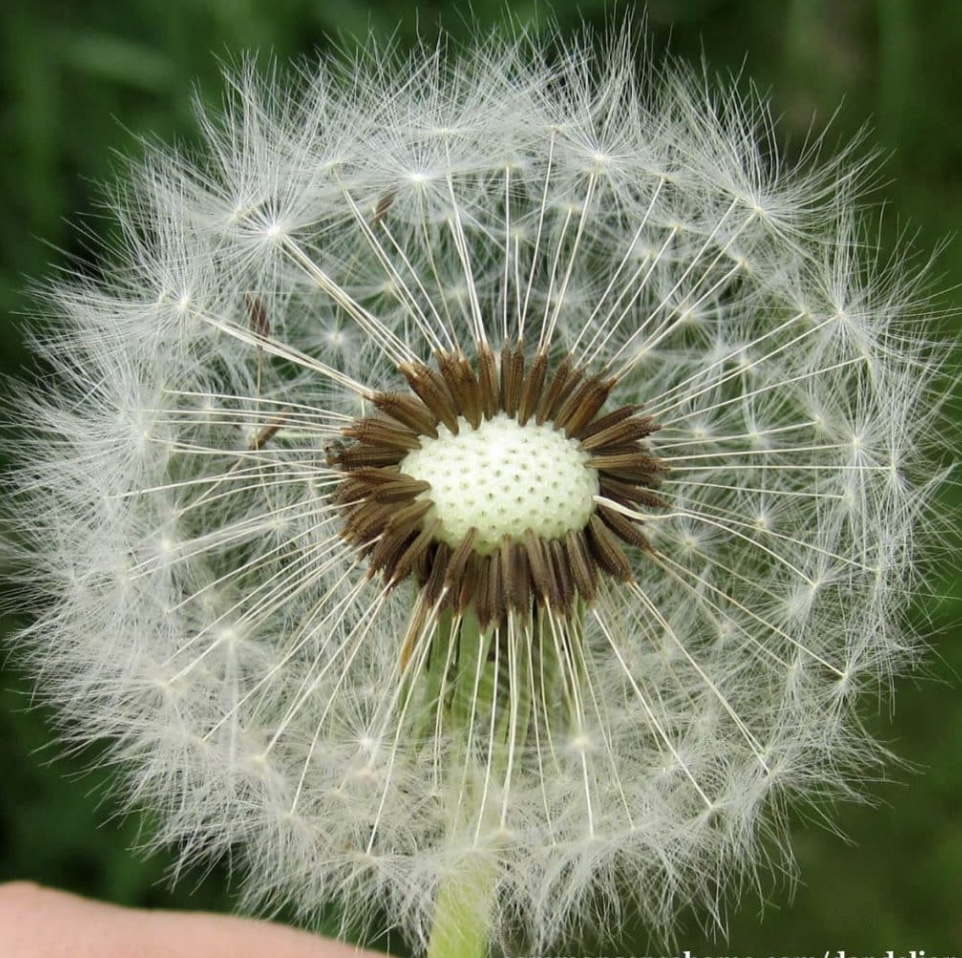
Yes dandelion seeds are also edible. They can even be used to make seed milk. Many birds feast on the seed heads including wild turkey, songbirds, blackbirds, gold finches and sparrows to name a few.
And the dandelion roots?
Yes even the roots are edible! As a matter of fact they are also medicinal. Who knew? You can dig up roots anytime of the year but my research says they are best harvested in the fall after the plant stores it’s energy. First year roots are best. Just clean them well and boil or roast like other vegetables. Many people also use the roots for herbal coffee. Dandelion coffee is actually a coffee substitute made from dried and roasted roots.
That’s not all, dandelions have been used by our ancestors as a fist aid kit. They detox the liver and remove toxins from the bloodstream. It’s also a gentle diuretic! Facts are, dandelions can be considered more beneficial than many vegetables in your garden.
Dandelions are fast becoming a commodity. Shops that sell dried roots as a no caffeine substitute don’t sell cheap!
Just one more wondrous gift of nature! Next time your taking a walk or out in your yard this spring, be mindful of the wonderful treasures underfoot. They aren’t just the make a wish flower of your childhood days. They are wonderful treasures!
https://turkeyhollermanor.com/2023/04/22/herbalism/
- Chamomile (Matricaria chamomilla)Properties: volatile oil, flavonoids, Valerianic acid, coumarins, tannins, glycosides, salicylate Values: antispasmodic, sedative, anti-inflammatory, bitters, anti-septic, anti-bacterial, prevents vomiting. There are many varieties of chamomile, but only two are used medicinally. — Roman chamomile, a perennial and German chamomile an annual. Chamomile tea helps with muscle aches, strains, arthritic pain, and menstrual cramps. Chamomile reduces… Read more: Chamomile (Matricaria chamomilla)
- Lemon balmLemon balm ( Melissa officinalis) A delicious lemony mint family plant. It has an uplifting and relaxing effect on the mood and body. It can aid and improve memory and attention span. It is aromatic cooling and mildly astringent. It can be useful in colds, flu and digestive upset. It is antiviral, used topically on… Read more: Lemon balm
- Lavender ( lavandula officinalis)This is perhaps one of my all time favorite herbs to grow, harvest, smell, and make products with. It’s a hardy perennial with a heady smell and the pollinators love it as well. Lavender is quite easy to grow in zones 5-8, however it does need a sunny , warm location with well drained soil.… Read more: Lavender ( lavandula officinalis)
- Herbal favorites!As the weather warms up and spring is headed this way I started thinking about the garden. I’m sure I’m not the only one excited to get out there and get my hands dirty! I have decided to do an herbal series in my blog. It’s what I’m most passionate about. Gardening, holistic health and… Read more: Herbal favorites!
- Crockpot apple ciderIt’s the season for all things spicy and warm. Apple cider is one of those things that elicits warm and fuzzy fall vibes. Store bought apple cider isn’t healthy with all the additives! So I decided to compile a delicious homemade alternative! This recipe is quick and simple. It’s a great way to use up… Read more: Crockpot apple cider
About


 Backroads mom
Leave a reply to Awakening Wonders Cancel reply